
Thoughtful Food Gifts: Nourishing Ideas for Mothers and Grandmothers
Gifts for mothers and grandmothers often end up as another scented candle or a box of chocolates. Food chosen with some thought, matched to a person's tastes, health and the way she likes to host, tends to be remembered longer and used with pleasure instead of tucked in a cupboard.
Start with her habits, not the occasion
Watch what she actually eats and cooks. A grandmother who simmers soup every Sunday may love a well-made ingredient for her pot, while a mother who skips breakfast might appreciate something ready to eat. Dietary limits come first, and diabetes, high blood pressure, allergies and trouble chewing all narrow the list. Portion size is a quiet consideration as well, because a large hamper can burden a person who lives alone.
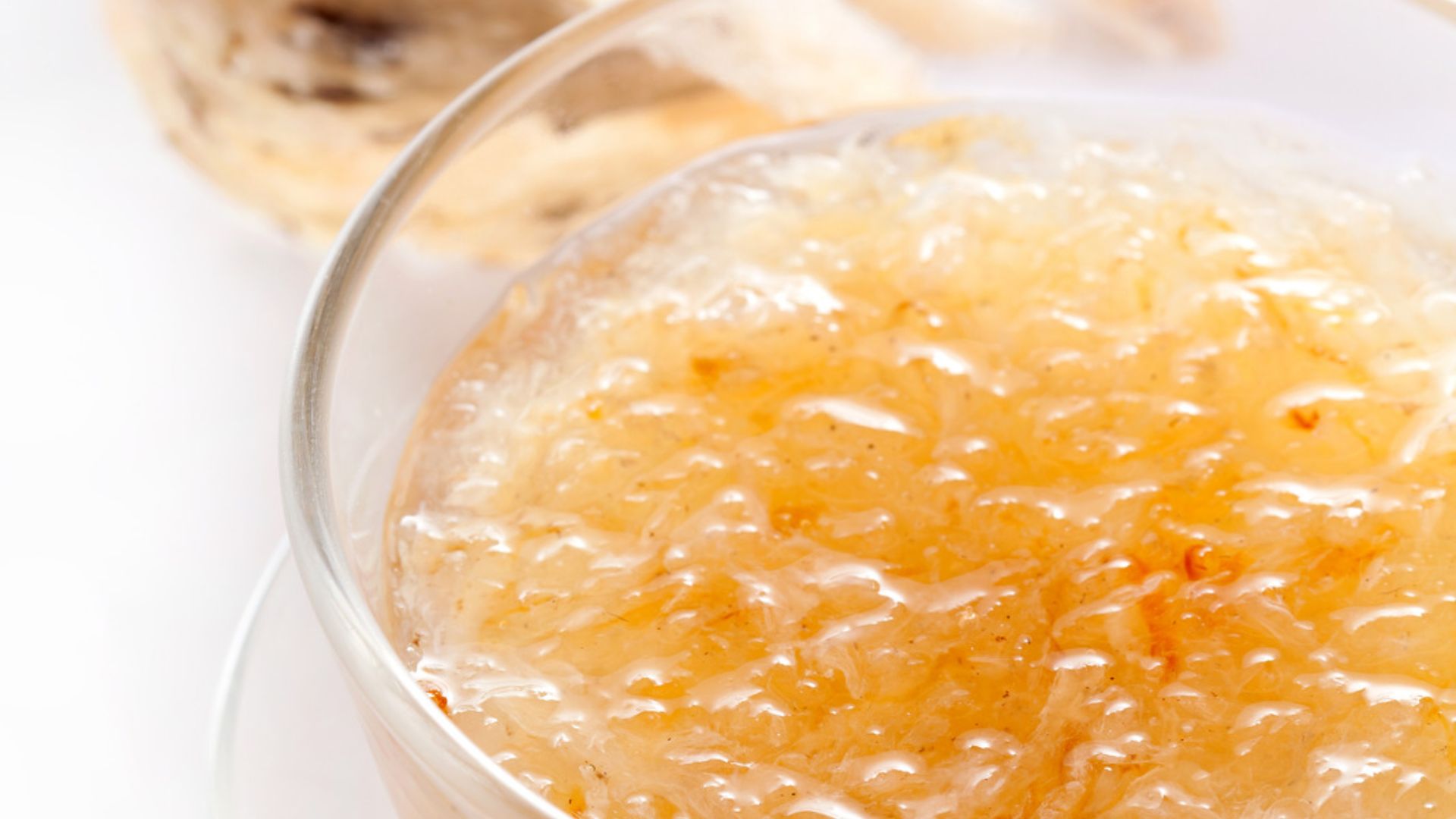
In many Chinese families, nourishing foods carry meaning as well as flavor, since they signal care for a person's health. Families who value traditional tonic foods sometimes put golden nest swallow nest soup on a shortlist alongside fruit baskets, good tea and herbal soups, then choose according to taste and health needs.
Ask a sibling or an aunt if the direct approach feels awkward. Knowing which treats she saves for guests and which she refuses to buy for herself narrows the choice faster than any gift guide can. Seasonal timing helps too, since lighter fruit and cooling soups suit summer while warming foods suit winter.
Traditional tonic foods and what they mean
Edible bird's nest is a good example of a food with history. A laboratory review in Frontiers in Pharmacology describes it as a traditional Chinese delicacy made from the saliva of swiftlets, with consumption traced back to the seventh century in China, where it was regarded as a high-grade health food and tonic.
Traditional Chinese medicine holds that the food moistens the lungs, resolves phlegm, eases coughs and aids recovery from illness. The review is careful to treat these as traditional beliefs. It reports that nutritional composition varies with the swiftlet species, the place of origin and the harvest season, with protein content in the Malaysian samples it describes ranging from about 58 to 65 grams per 100 grams.
The authors also raise quality concerns, including adulterants, chemical contaminants and microbial contamination, and they argue that quality control matters for safe consumption. A buyer should treat the food as a cherished tradition and a pleasant dish rather than a guaranteed remedy, and should keep expectations modest.
Other classic gifts carry similar weight, including red dates, goji berries, longan and ginseng. Each has its devotees, and each deserves a quick check against the recipient's health conditions before it goes into a gift box.
Understanding the cultural meaning helps the giver. In many families, presenting a tonic food to an elder is a statement of respect, and the way it is offered, with both hands and a few words of good wishes for her health, matters as much as the item itself.
Matching gifts to health needs
Sugar is the quiet obstacle. Sweetened tonic soups, dried fruit and festive pastries can contain more sugar than the label suggests, which matters to anyone managing diabetes. Reading the nutrition panel and choosing lightly sweetened or unsweetened versions respects her health without making a fuss.
Medication interactions deserve a moment. Herbal products such as ginseng can interact with blood thinners and some other prescriptions, so a gift for a relative on regular medication is better checked with her pharmacist or doctor first. Texture matters too, since older relatives with dentures or swallowing difficulties do better with soft foods and soups than with hard candies and nuts. Allergies need a plain check as well. Nuts, shellfish, eggs and soy turn up in unexpected places in packaged and festive foods, so confirm with a relative or read the label, and keep the original packaging so the recipient can review ingredients later. Salt content deserves attention for anyone watching blood pressure, since broths and preserved items can be high in sodium.
Presentation and personal touches
Presentation signals care. A handwritten card explaining why the gift was chosen, a family recipe copied by hand or a small set of matching bowls turns a purchase into something personal. Packaging that is easy to open matters for hands affected by arthritis.
Time is a gift in its own right. Offering to cook a meal together, bringing the ingredients for a favorite dish from childhood or sitting down for tea while she talks about the recipe adds a memory to the food. A modest gift paired with an afternoon often means more than an expensive one handed over at the door. Consider the whole table as well. A gift that includes a pretty teapot or an heirloom-style spoon makes the food feel ceremonial and gives the recipient something to keep once the meal is finished. Keep wrapping simple, and avoid anything fiddly that an older hand will struggle to open. A short note of thanks for something she taught you adds meaning without cost.
Buying from reputable sources
Look for clear labeling with the ingredient list, origin, production date and expiry date. For premium products such as bird's nest, a seller willing to explain where the product comes from and how it is processed and tested deserves more trust than one relying on vague health claims.
Check storage requirements and the return policy before buying, especially for fresh or chilled items that must be refrigerated on arrival. Imported food products are subject to customs and labeling rules that vary by country, so buying from a seller who ships to the recipient's region avoids delays at the border. Compare prices with care. Very low prices on premium ingredients can signal dilution, substitution or mislabeling, and the review's concern about adulterants shows that these problems are real in the bird's nest trade. A smaller amount of good quality is wiser than a large amount of doubtful origin. Keep receipts and batch details in case a problem surfaces after the gift has been opened.